
Healthcare Hypnosis
Hypnosis and Positive Change: Learning a Better Response

Look closely at the photograph. A man rests comfortably in a recliner. His eyes are closed, his breathing appears calm, and his hands rest naturally across his body. Beside him, a Healthcare professional speaks quietly and deliberately. Nothing dramatic is happening. No swinging watch. No loss of control. No mysterious trance. The photograph captures something…
Read MoreHypnosis and the Mind Body Connection: When the Body Remembers What the Mind Wants to Forget

Understanding Stress-Related Physical Symptoms Through the Mind-Body Connection In 1886, Baltimore physician John Noland Mackenzie placed an exquisitely crafted artificial rose near a woman who experienced severe reactions around real roses. Almost immediately, her throat began to itch. Her breathing became difficult. Her body reacted as though it had encountered the very substance it feared.…
Read MoreWhen the Caregiver Never Clocks Out: How Hypnosis May Help

The Patient Behind the Patient In 2015, researchers in Italy worked with 15 people living with amyotrophic lateral sclerosis—ALS. But behind every patient stood another person carrying a weight that rarely appeared on a medical chart. Twelve were spouses. Three were daughters. The patients received four weekly hypnosis sessions and learned self-hypnosis. Their caregivers did…
Read MoreThe Man Who Learned to Turn Down His Pain Like a Volume Dial

How Hypnosis Can Change the Brain’s Interpretation of Chronic Pain Years ago, a young man had surgery at Delnor Hospital for a shoulder that kept dislocating. Nothing unusual about that. What happened afterward was. Instead of depending heavily on pain medication after surgery, he came to our office to learn how to use self-hypnosis. Later, because…
Read MoreThe Child Who Turned Chemotherapy Into a Space Mission

Cancer survivor Hayley Arceneaux (USA Today) What therapeutic imagination can teach about fear, treatment, and the mind Hayley Arceneaux was only ten years old when she found out she had bone cancer. Think about being ten. At that age, your biggest concern should be school, friends, riding your bike, or figuring out what you…
Read MoreThe Alopecia Patients Whose Hair Began Returning
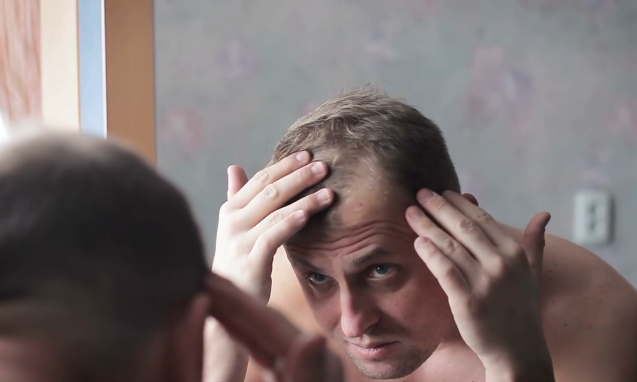
Twenty-one people with severe alopecia areata entered a small hypnosis study after other treatments had failed. For many of them, the hair loss was extensive. Some had lost nearly all the hair on their scalps. Others had lost hair all over their bodies. They had already tried medical treatments. Nothing had worked the way they had hoped.…
Read MoreThe Eleven-Year-Old Girl With 43 Warts
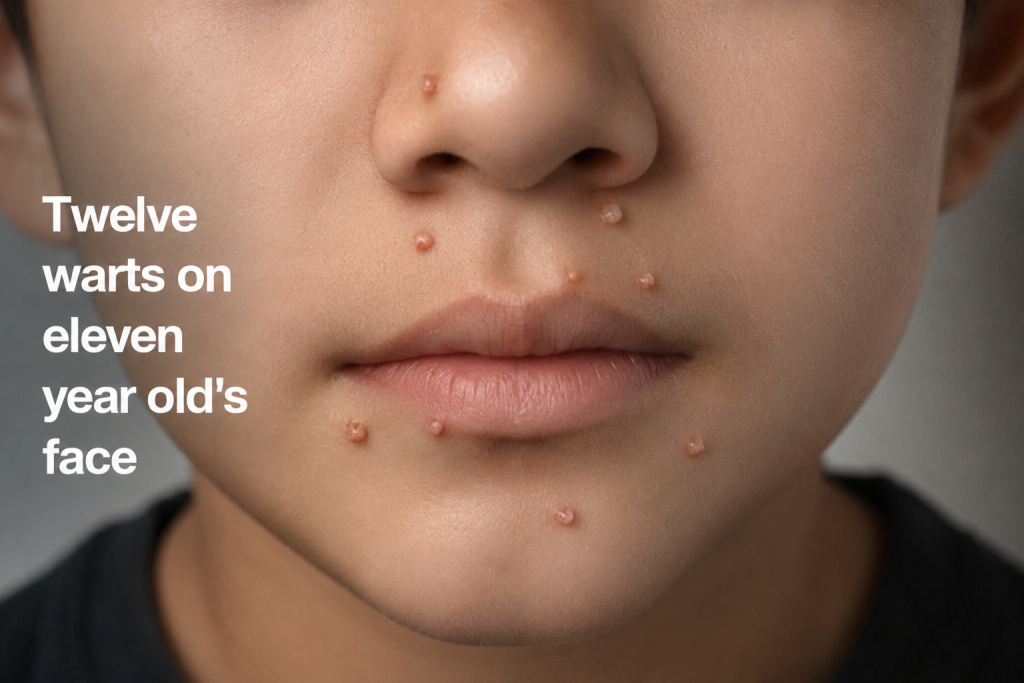
An eleven-year-old girl was brought into her doctor’s office with 43 warts covering her hands, feet, face, and other areas of her body. Not eight. Forty-three. Twelve of them were on her face. The warts had been there for more than a year, and the usual treatments had not worked. Her doctors were dealing with…
Read MoreThe Needle-Fearing Patient Who Finally Completed Her Treatment

How Hypnotic Techniques Can Help Reduce Procedural Anxiety Sophia was 15 when a routine vaccination turned into something her mind would not let go. The injection itself was not especially painful. In fact, she handled it fairly well. The problem came afterward. As she left the room, Sophia noticed several other children becoming upset about…
Read MoreWhen Every Medical Test Was Normal but the Pain Was Real
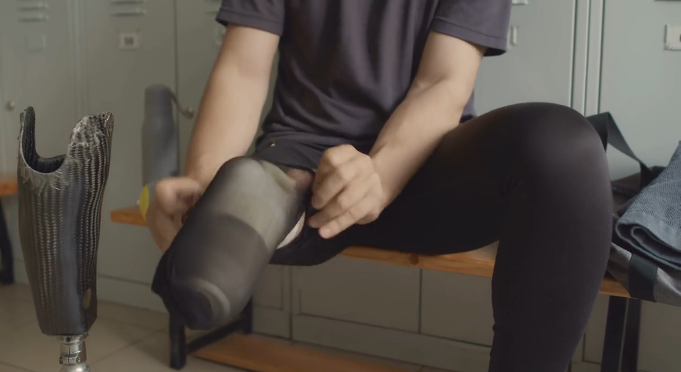
Exploring Hypnosis for Persistent Symptoms That Resist Easy Explanations During the Civil War, physician Silas Weir Mitchell began seeing soldiers with a strange and disturbing complaint. Some had lost an arm or leg, yet they still felt pain, itching, cramping, or pressure in the missing limb. The limb was gone. The pain was not. At…
Read MoreThe Patient Who Felt Calm Before the Operating Room Doors Opened

How Pre-Surgical Hypnosis May Reduce Anxiety and Improve the Recovery Experience In 2006, researchers at Yale University observed something unexpected outside an operating room. Seventy-six adults awaiting outpatient surgery were divided into three groups. One group received standard care. Another received supportive attention. The third participated in a brief hypnosis session focused on comfort and well-being.…
Read More