
How This Professional Athlete Used Hypnosis to Make an Amazing Comeback
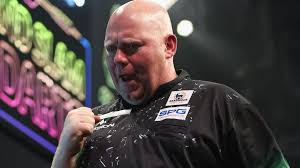
A Rarely Told Story from the World of Sports
A sports injury created a mental block—hypnosis helped him return to competition.
In the high-pressure world of professional sports, physical injuries are common. What many people do not realize is that sometimes the biggest obstacle is not the body; it is the mind.
A striking example emerged recently in professional darts. English player Martin Lukeman, once ranked among the world’s top competitors, began struggling with a condition known as dartitis. The condition causes athletes to suddenly lose the ability to release the dart smoothly. This was something they had done effortlessly for years. For Lukeman, it became so severe that he considered quitting the sport entirely.
Seeking help, he began working with specialists who included a hypnotist as part of his recovery strategy. Lukeman later explained that hypnosis and other mental training techniques helped restore his confidence and calm his performance anxiety. As his mental block eased, his performance improved, and he returned to winning matches at major tournaments.
Stories like this rarely make headlines, but they illustrate something powerful: the mind can sometimes create barriers that feel physical, and with the right techniques, those barriers can be retrained.
Hypnosis is one tool professionals use to help reset those mental patterns.
Supporting Athletes and Active Individuals
At Medvesta Hypnosis Healthcare, we also work with athletes and active individuals who want to strengthen the mental side of performance.
Even highly trained athletes can experience moments where the body is ready, but the mind hesitates. Fear of re-injury, loss of confidence after a setback, or performance anxiety can create barriers that interfere with otherwise excellent physical training.
Hypnosis sessions for athletes may focus on:
-
Reinforcing confidence after injury recovery
-
Improving focus and composure during competition
-
Strengthening mental rehearsal and visualization
-
Reducing performance anxiety before events
While hypnosis does not replace physical rehabilitation or medical treatment, it can complement those efforts by helping athletes rebuild the mental patterns that support performance.
How Hypnosis Works in Situations Like This
Hypnosis is not mind control or sleep. In a clinical or therapeutic setting, it is a focused state of attention combined with deep relaxation. In that state, people become more receptive to constructive suggestions, guided imagery, and mental rehearsal.
For athletes such as Lukeman, hypnosis may help in several ways:
-
Reducing performance anxiety
-
Releasing unconscious tension patterns
-
Rehearsing successful movements through mental imagery
-
Rebuilding confidence after an injury or setback
Sports psychologists have used similar mental rehearsal techniques for decades. Research suggests that hypnosis and imagery can enhance concentration, confidence, and recovery by activating many of the same neural pathways used during actual movement.
This is why many elite athletes incorporate hypnosis or guided visualization into their mental training. Even legendary performers like golfer Tiger Woods have reportedly used hypnotic focus techniques to maintain calm and concentration under pressure.
What This Means for Everyday Health
You do not have to be a professional athlete to benefit from the mind-body connection.
In Healthcare settings, hypnosis has been explored for many issues where stress, habits, or unconscious patterns play a role. Historically, physicians have used hypnosis for pain control and stress management, even in medical settings such as wartime surgery, where it helped reduce reliance on medication.
Today, trained clinicians may incorporate hypnosis to support people dealing with challenges such as:
1. Stress and Anxiety
Hypnosis can teach the nervous system to shift from chronic tension to deeper relaxation.
2. Chronic Pain
Some individuals learn mental strategies that change how the brain processes discomfort.
3. Sleep Difficulties
Guided hypnotic relaxation can help quiet racing thoughts and encourage healthier sleep patterns.
4. Habit Change
Hypnosis may support efforts to modify behaviors such as smoking, emotional eating, or nail biting.
5. Performance Blocks
Just as athletes can develop mental blocks, so can professionals, students, and musicians. Hypnosis may help restore focus and confidence.
Importantly, hypnosis is typically used as a complementary approach, not a replacement for medical care. Responsible practitioners work alongside physicians, therapists, or rehabilitation professionals when appropriate.
What a Hypnosis Session Is Actually Like
Many people imagine hypnosis as something dramatic or mysterious. In reality, therapeutic hypnosis is often quite simple.
A typical session may involve:
-
Conversation and goal setting – discussing the issue you want to address.
-
Guided relaxation – helping your mind and body enter a calm, focused state.
-
Positive suggestion or imagery – reinforcing healthier mental patterns.
-
Skill building – teaching techniques you can practice between sessions.
Most clients remain aware of their surroundings and can stop the process at any time. Many describe the experience as similar to deep meditation or becoming absorbed in a good book.
The Encouraging Takeaway
The story of athletes like Martin Lukeman reminds us of something powerful: the brain and body are deeply connected. When stress, fear, or past experiences interfere with performance—or health—the mind can sometimes be retrained.
Hypnosis is simply one method that helps people access that ability.
For some individuals, it becomes the missing piece that helps them regain confidence, reduce stress, or move forward after a setback.
If you are considering hypnosis for a health or wellness goal, the best first step is a conversation with a qualified professional who understands both the science and the human experience behind the process.
You may discover, as many others have, that sometimes the most powerful change begins in the quiet space of the mind.