
The Gamer Who Pressed Pause on His Life
How Hypnosis Helped Break an Obsessive Video Gaming Habit
In 1981, a little-known event occurred that caught psychologists by surprise. A young man named Jeff Dailey died after playing the arcade game Berzerk. Witnesses reported that after achieving a high score and experiencing intense excitement, he collapsed from a heart attack. While the incident was rare, it sparked conversations about the powerful effects video games can have on the brain and body.
At the time, few imagined that forty-five years later, millions of people would carry gaming systems in their pockets. Today, video games entertain, educate, and connect people worldwide. Yet for some individuals, gaming shifts from recreation to obsession.
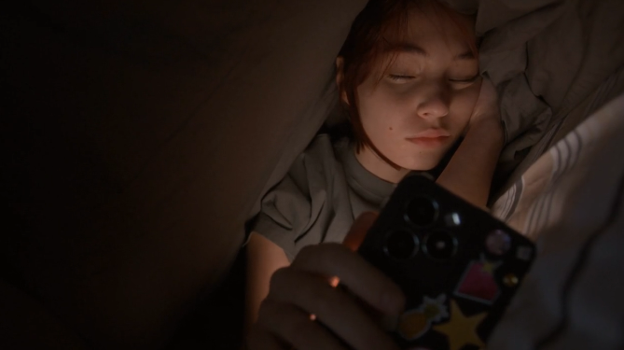
One young man contacted our office after realizing his life was shrinking while his gaming hours were growing. He had started gaming as a teenager. Initially, it was harmless fun after school. Years later, he found himself staying awake until two or three in the morning. Work performance declined. Exercise disappeared. Relationships became strained. He frequently promised himself, “Just one more game.”
One more game often became four more hours. What frustrated him most was that he knew what he needed to do. He simply could not seem to do it. This is where hypnosis entered the picture.
Many people mistakenly believe hypnosis is about control. In reality, hypnosis helps people gain greater control over automatic habits and behaviors. Research has shown that repetitive reward cycles can strengthen powerful neurological pathways. Every achievement, level-up, and victory can trigger dopamine responses that encourage repetition. Over time, gaming can become an automatic response to boredom, stress, loneliness, or anxiety.
Through hypnosis, he began identifying the emotional triggers behind his gaming behavior. Work-related stress often led to gaming. Loneliness often led to gaming. Avoiding difficult tasks often led to gaming.
During hypnosis sessions, we worked to strengthen new mental associations. Instead of automatically reaching for a controller, he learned to pause, breathe, and consciously choose healthier responses. We reinforced confidence, self-control, physical activity, and meaningful goals that had been neglected for years. The change was gradual but powerful.
Within weeks, his gaming hours decreased significantly. He began exercising again. Sleep improved. His mood improved. Most importantly, he no longer felt controlled by an urge he could not explain.
His favorite statement at the end of our work together was simple: “I still play games. The difference is they no longer play me.” Like many habits, excessive gaming is rarely about the screen itself. It is often about what the screen helps us avoid, escape, or numb. The good news is that those patterns can change.
Remember the story of Jeff Dailey and the arcade machine that shocked the world? His story reminds us that technology can affect us more deeply than we realize. The real question is whether we are using technology intentionally or allowing it to use us.
If you or someone you know struggles with gaming addiction, compulsive habits, anxiety, stress, smoking, chronic pain, or other unwanted behaviors, Medvesta Hypnosis Healthcare may be able to help.
Schedule a confidential screening or assessment to determine whether hypnosis is an appropriate option for your situation. You do not have to fight every habit with willpower alone. Sometimes the most powerful change begins when you simply press pause.