
Confidence
When Sunlight Disappears, So Can Your Motivation: Seasonal Affective Disorder

Did you know that approximately 5% of American adults experience Seasonal Affective Disorder, or SAD? That’s roughly one in every twenty adults whose mood can be seriously affected by changing seasons! And here’s something fascinating: The problem isn’t necessarily the cold. It may be the disappearing sunlight! Welcome to Medvesta Hypnosis Healthcare. Let’s talk about…
Read MoreHypnosis for Weight Loss: Can It Help Change Your Eating Habits?
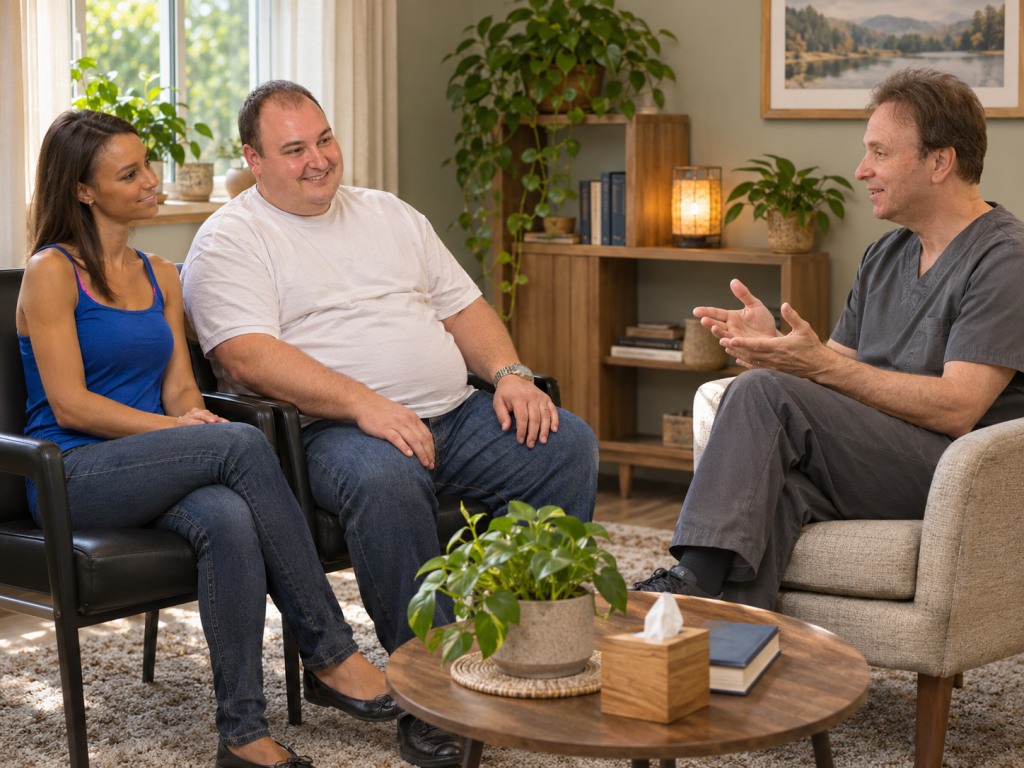
Volunteers at the National Institutes of Health once joined a study advertised as research into “seasonal changes in vital signs.” Researchers measured their weight alongside other health indicators, keeping the main question out of view: What really happens to our weight around the holidays? The findings, published in 2000, challenged a familiar holiday fear. Among…
Read MoreWhen the Day Ends, the Eating Doesn’t: Where Hypnosis May Help

By Steve Cohen Have you ever finished dinner, promised yourself you were done eating, and found yourself back in the kitchen an hour later? That moment deserves curiosity. What prompted the trip: hunger, habit, stress, or the wish for a little comfort? Two recent research reports raise useful questions about weight management and eating patterns.…
Read MoreHypnosis and the Mind Body Connection: When the Body Remembers What the Mind Wants to Forget
Understanding Stress-Related Physical Symptoms Through the Mind-Body Connection In 1886, Baltimore physician John Noland Mackenzie placed an exquisitely crafted artificial rose near a woman who experienced severe reactions around real roses. Almost immediately, her throat began to itch. Her breathing became difficult. Her body reacted as though it had encountered the very substance it feared.…
Read MoreWhen the Caregiver Never Clocks Out: How Hypnosis May Help

The Patient Behind the Patient In 2015, researchers in Italy worked with 15 people living with amyotrophic lateral sclerosis—ALS. But behind every patient stood another person carrying a weight that rarely appeared on a medical chart. Twelve were spouses. Three were daughters. The patients received four weekly hypnosis sessions and learned self-hypnosis. Their caregivers did…
Read MoreShe Was Afraid of the MRI Until She Found an Escape Route
How Hypnosis May Help With Claustrophobia During Medical Imaging Let me tell you about a 35-year-old woman in Batavia, IL She needed an MRI, but her claustrophobia was intense. Not the “I feel a little uncomfortable in small spaces” kind of fear. Her score on a standardized claustrophobia questionnaire showed that her anxiety was significant.…
Read MoreThe Needle-Fearing Patient Who Finally Completed Her Treatment
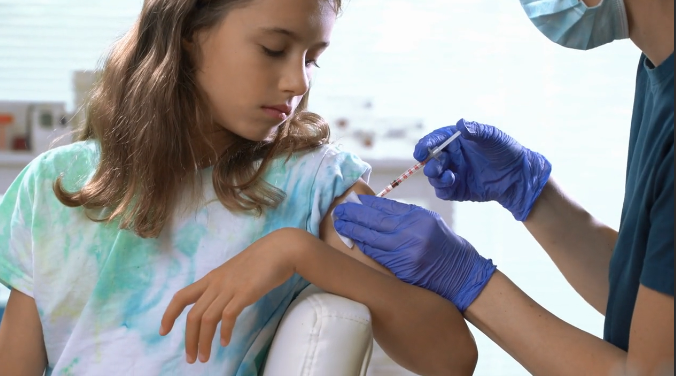
How Hypnotic Techniques Can Help Reduce Procedural Anxiety Sophia was 15 when a routine vaccination turned into something her mind would not let go. The injection itself was not especially painful. In fact, she handled it fairly well. The problem came afterward. As she left the room, Sophia noticed several other children becoming upset about…
Read MoreThe Patient Who Entered Surgery Calm Instead of Terrified

How Preoperative Hypnosis May Reduce Anxiety, Pain, and the Emotional Stress Surrounding a Medical Procedure On April 12, 1829, a 64-year-old woman known as Madame Plantin entered a surgical room in Paris. She had advanced cancer in her right breast. This was before modern anesthesia, sophisticated monitoring equipment, and the pain management methods available today. Historical…
Read MoreThe Elderly Man Who Reclaimed His Memory

How Hypnosis Helped an Aging Brain Find Its Way Back In 1991, I met with a gentleman named Ben, a retired accountant in his late seventies who had become increasingly frustrated by his declining memory. He wasn’t suffering from advanced dementia. He was able to recognize family members. But he was trapped in a frustrating…
Read MoreRewriting Childhood Trauma Through Hypnosis: A survivor found healing without reliving the pain.
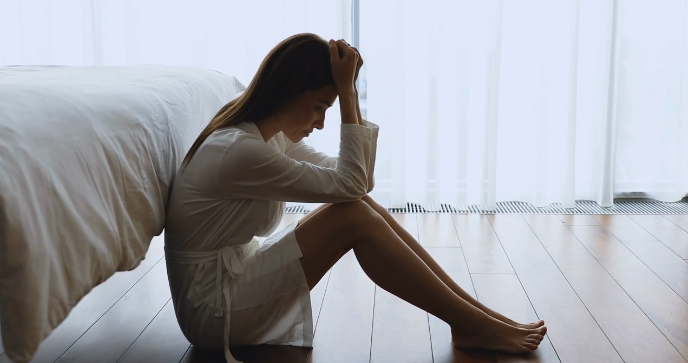
Many people have never heard of the silent files stored in the brain. In the 1990s, a neurologist working with trauma survivors noticed something unusual. Some patients could describe painful childhood experiences in vivid detail yet showed no physiological distress, spike in heart rate, sweating, or visible anxiety. It was as if the memory had…
Read More