
The Woman Who Became Less Afraid of Her Next Migraine
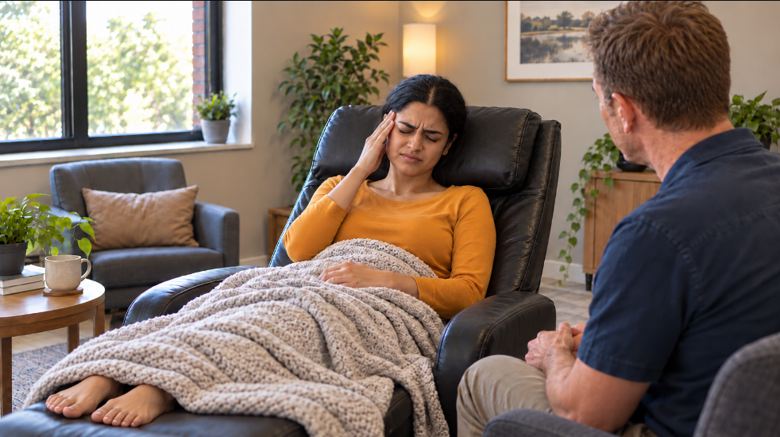
How hypnosis helped my client reduce pain-related fear and improve coping
In 1967, neurologist Oliver Sacks wrote the first version of his book Migraine in just nine days. His inspiration came partly from working in a migraine clinic and partly from a medical book written a century earlier.
Long before he became famous for Awakenings, migraine had given him a subject he could not leave alone.
That little-known chapter of his life offers a useful reminder: migraine deserves attention to the whole experience of the person living with it. The pain matters. So does what happens while someone waits for it to return.
For one of my clients, that waiting became an important part of our work.
Hypnosis helped her become less afraid of her next migraine and better able to cope. Those changes deserve attention in their own right.
Because when you live with recurring pain, relief can mean having more confidence in how you will respond.
When tomorrow’s migraine takes up today’s space
Perhaps you recognize the questions:
Will I have to cancel again? What if it starts while I’m away from home? Will I be able to manage?
A pleasant afternoon can become an afternoon spent watching for symptoms. An invitation can become a decision about whether you dare say yes.
That fear is understandable. Previous attacks have given you reasons to be concerned.
You deserve care that takes both your physical symptoms and your emotional experience seriously. Working on fear does not mean your migraine is imaginary or that you caused it.
What hypnosis can offer
Hypnosis uses focused attention and therapeutic suggestions to help people practice different responses to discomfort and distress. You remain an active participant.
Depending on your needs, sessions may include calming imagery, suggestions for greater comfort, and rehearsal of how you want to respond when familiar symptoms arise. Self-hypnosis can provide a way to practice these skills between appointments.
For example, a coping suggestion might be:
“I can take this one step at a time and follow my medical care plan.”
The aim is to build a response you can use when you feel vulnerable: acknowledge what is happening, take appropriate action, and give yourself something steadier to focus on.
Progress worth noticing
My client’s experience highlights an outcome that can be easy to overlook: less pain-related fear and better coping.
These changes do not establish that migraine attacks have stopped. They matter because living with migraine involves more than counting attacks.
Useful goals might include feeling more prepared, spending less time anticipating the worst, or having a practical calming skill available alongside your prescribed treatment.
Your goals should reflect what would make a meaningful difference in your daily life.
What does the research say?
The National Center for Complementary and Integrative Health reports that hypnosis and related relaxation approaches may help reduce headache pain. It also cautions that much of the research has not been high quality.
That calls for realistic expectations. Hypnosis is a complementary option to consider alongside medical care. Individual responses vary, and no practitioner can promise a cure.
Continue working with your healthcare clinician on your diagnosis, medications, and migraine management plan.
Take the next step with Medvesta Hypnosis
Sacks’s nine-day burst of writing began with a subject that deserved closer attention. Your experience deserves that attention, too—including the fear surrounding your next attack.
At Medvesta Hypnosis, a screening or assessment is an opportunity to discuss your concerns, review your goals, and explore whether hypnosis is appropriate alongside your current care.
Call 630-974-1800 or visit MedvestaHypnosis.com to request help scheduling a screening or assessment.
If you felt more confident about handling your next migraine, what would you feel freer to do today?