
The Alopecia Patients Whose Hair Began Returning
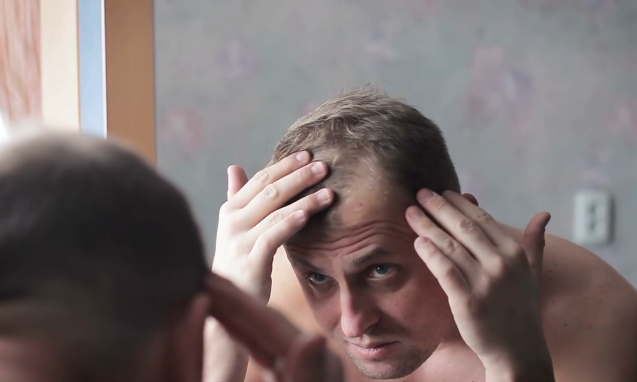
Twenty-one people with severe alopecia areata entered a small hypnosis study after other treatments had failed. For many of them, the hair loss was extensive. Some had lost nearly all the hair on their scalps. Others had lost hair all over their bodies. They had already tried medical treatments. Nothing had worked the way they had hoped.
Then researchers introduced hypnosis.
After several sessions, 12 of the 21 participants experienced hair regrowth across 75% to 100% of their scalps. Nine experienced complete scalp-hair regrowth.
That is the kind of result that makes you stop reading and say, “Wait—hypnosis helped their hair grow back?”
Possibly.
But you need to slow down before turning one small study into a miracle story.
There was no control group. Alopecia areata can be unpredictable, and hair sometimes returns without a clear explanation. Five participants who initially improved later experienced significant hair loss again.
So, no, this study did not prove that hypnosis cures alopecia.
What it did show was something worth paying attention to.
The participants also reported meaningful improvements in anxiety and depression.
And that leads to a much bigger conversation.
Hair Loss Does Not Stay on the Scalp
Alopecia areata is an autoimmune condition. It requires proper evaluation and treatment from a dermatologist or another qualified medical professional.
But anyone who has experienced noticeable hair loss knows that the condition does not remain neatly contained inside a medical chart.
It follows you into the bathroom mirror.
It shows up when someone takes out a camera.
It may change how you style your hair, enter a room, meet new people, or respond to an uncomfortable question.
You may start checking your scalp several times a day.
“Is that spot larger?”
“Is more hair coming out?”
“Can people see it?”
“Will it ever come back?”
The fear can become almost as exhausting as the condition itself.
Hair is often connected to identity, confidence, age, attractiveness, and culture. When it begins disappearing without permission, people may feel as though part of their identity is disappearing with it.
That is not vanity.
That is being human.
Where Hypnosis May Fit
Hypnosis should not replace dermatology care. It should never be presented as a guaranteed way to regrow hair.
But it may help with the emotional and behavioral side of living with alopecia.
During hypnosis, a person enters a state of focused attention and increased responsiveness to therapeutic suggestions. The person remains aware and in control. The goal is not to “put someone under.” The goal is to help the mind and body respond differently to stress, fear, and repetitive thought patterns.
For someone with alopecia, hypnosis may be used to help:
- Reduce anxiety about continued hair loss.
- Calm the urge to constantly inspect the scalp.
- Improve sleep and physical relaxation.
- Challenge catastrophic thoughts about the future.
- Strengthen confidence and self-image.
- Prepare for medical appointments.
- Feel more emotionally steady while following a dermatologist’s treatment plan.
Let’s be careful with the word stress.
Stress is not always the cause of alopecia, and no one should ever be told, “Your hair is falling out because you are not relaxed enough.”
That places blame on the person who is already struggling.
At the same time, if someone is living in a constant state of fear, embarrassment or hypervigilance, helping the nervous system settle may improve their overall quality of life.
That matters, even when no one can promise what the hair follicles will do next.
Care for the Condition. Support the Person.
The patients in that small study were not simply scalps being examined.
They were people.
People dealing with uncertainty, changing appearances, frustrating treatments and the emotional weight of wondering what they might lose next.
Some experienced dramatic hair regrowth. Some later relapsed. Many experienced psychological improvement.
That does not give us a cure.
It gives us a clue.
Alopecia care may be more complete when it addresses the autoimmune condition, emotional distress, the person’s self-image, and the nervous system’s response to ongoing uncertainty.
Medical care and emotional support do not have to compete.
They can work side by side.
Medvesta Hypnosis Healthcare can assess whether hypnosis for stress reduction, emotional regulation, and self-image may complement the care you are already receiving from your dermatologist or healthcare provider.
Schedule a screening or assessment with Medvesta Hypnosis to discuss what you are experiencing, what you have already tried, and whether hypnosis may have an appropriate supportive role in your care.
Hypnosis is a complementary service. It is not a substitute for medical diagnosis, dermatological treatment or mental health care.