
What Happens When You Stop Sleeping? The Terrifying Truth Revealed
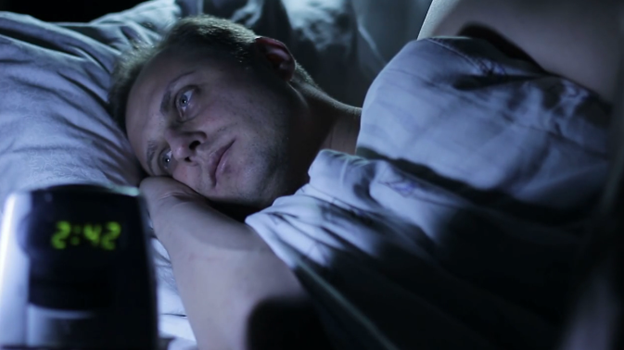
Something did not add up. In 1987, a middle-aged man came in for an assessment visit, describing what sounded like classic insomnia. He was experiencing difficulty falling asleep, restless nights, and that quiet frustration of not getting enough rest. On the surface, it fit the pattern many of us hear every day. But as I slowed things down and listened more closely, the story shifted. It was not that he was tossing and turning, waking up frequently, or sleeping lightly. He was not sleeping at all, and that distinction matters.
At that point, this was no longer within the typical behavioral patterns we address through hypnosis. The presentation suggested something that could be medical or neurological in nature, and that requires a different set of eyes and ears before any hypnotic work could be appropriate. So the direction became clear: pause.
He was encouraged to reconnect with his primary care provider, ideally with a referral to a neurologist, to fully evaluate the situation. Hypnosis was not the first step here; it was a potential complement later, once medical clarity was established.
That is part of our work, too. Knowing when to proceed and knowing when to step aside.
It was found that his body began to unravel. Hallucinations crept in. His heart rate was elevated. His temperature regulation broke down. He would lie in bed, exhausted, and his brain refused to cross the threshold into sleep. Eventually, specialists diagnosed him with something almost unheard of: Fatal Familial Insomnia (FFI). A rare, inherited condition that attacked his thalamus and the part of the brain responsible for regulating sleep cycles.
Within months, his inability to sleep became the disease itself. He died less than a year after his first sleepless night.
Why This Story Matters
Here is the truth that most people missed: This condition is extraordinarily rare, affecting only a few dozen families worldwide. It reveals something important about insomnia that does apply to everyday life. Sleep is not just rest.
It is a regulation.
- Emotional processing
- Hormonal balance
- Memory consolidation
- Nervous system reset
When sleep is disrupted, the body not only feels tired, but it also loses its rhythm.
The Real Parallel
Most insomnia clients will not face anything close to FFI. Though they often experience a psychological echo of it:
- “Why can’t I just fall asleep like everyone else?”
- “What is wrong with me?”
- “What if tonight is another bad night?”
That pressure becomes the problem. The brain starts to associate the bed with effort rather than ease. Sleep becomes something to achieve instead of something that happens.
Where Hypnosis Enters
Not as a force. More like a reset. Clinical hypnosis has been shown to:
- Reduce sleep latency (time it takes to fall asleep)
- Decrease cognitive hyperarousal (the “racing mind”)
- Improve sleep quality perception
It works by shifting the nervous system out of that constant state of trying. Less control and more permission.
A Thought
That man could not sleep because his brain physically lost the ability. Most people who struggle with sleep still have the ability. It is buried under effort, tension, and anticipation. So the question is not always:
“How do I make myself sleep?” Sometimes it is quieter than that: “What am I still holding onto that sleep is waiting for me to release?”
If you or someone you care about is experiencing symptoms that do not quite fit the usual pattern, it may be worth taking a closer look. Start with a conversation. Schedule an initial consultation, and we will help determine whether hypnosis is the right fit or guide you toward the next best step.