
How Hypnosis Works on the Brain And Can Rewire Your Mind in only 5 Minutes
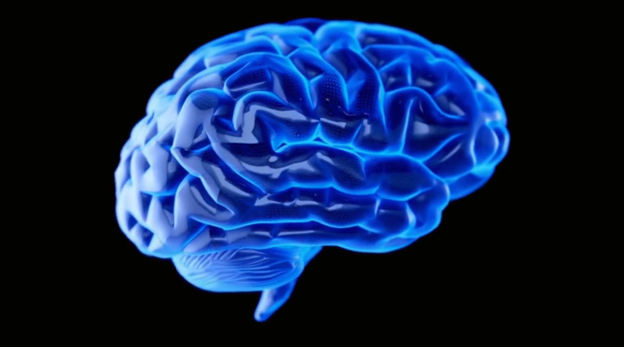
Hypnosis is not sleep or loss of control. It is a targeted shift in brain function. It changes how your nervous system processes experience. Here is what is happening, step by step.
1. The “Noise” Turns Down (Default Mode Network)
The default mode network (DMN) is the part of your brain responsible for:
- Overthinking
- Self-judgment
- Replaying the past
- Worrying about the future
In hypnosis, activity in this network decreases. That matters because the constant internal commentary, that voice that amplifies stress, pain, and doubt, quiets down.
Result:
You stop reacting to every thought and start observing instead.
2. Pain and Distress Get Reprocessed (Anterior Cingulate Cortex)
The anterior cingulate cortex (ACC) plays a major role in:
- Interpreting pain
- Assigning emotional weight to discomfort
- Deciding “how bad this feels.”
Under hypnosis, the ACC becomes less reactive. The signal may still exist—but the urgency and emotional intensity decrease.
Result:
Pain feels less sharp, less personal, and more manageable.
3. Focus and Control Increase (Prefrontal Cortex)
The prefrontal cortex is responsible for:
- Attention
- Decision-making
- Intentional control
During hypnosis, this area becomes more engaged and more connected to sensory regions. This creates something powerful: Focused influence over automatic processes.
Instead of your brain automatically running old patterns, you gain the ability to guide the experience.
Result:
You respond instead of react.
4. Brain Communication Changes (Connectivity Shift)
One of the most important changes in hypnosis is the way different parts of the brain communicate with each other.
- Stronger connection between focus (prefrontal cortex) and sensation
- Reduced interference from emotional overreaction centers
- More efficient processing of incoming signals
Think of it like this: Your brain goes from a crowded, noisy room to a clear, directed conversation.
Result:
You experience clarity, calm, and control.
5. The Meaning of Sensation Changes
Here is the key point most people miss: Hypnosis does not remove sensations. It changes what they mean to you.
Your brain is constantly interpreting signals:
- Tight chest → “Something is wrong.”
- Headache → “This is unbearable.”
- Gut discomfort → “This will get worse.”
Under hypnosis, those interpretations shift.
- Sensations become neutral
- Discomfort loses urgency
- The body feels less threatening
Result:
The same signal and a different experience.
6. The Nervous System Resets
At a physiological level, hypnosis helps shift your body from:
- Sympathetic mode (fight-or-flight)
→ to → - Parasympathetic mode (rest-and-repair)
This shift leads to:
- Slower heart rate
- Reduced muscle tension
- Improved digestion
- Lower stress hormone levels
Result:
Your body moves into a state that enables healing and recovery.
7. Why This Matters
Because many conditions are not only physical, they are neurological patterns:
- Chronic pain = amplified signaling
- Anxiety = overactive threat detection
- IBS = dysregulated gut-brain communication
- Migraines = heightened neurological sensitivity
Hypnosis works by changing patterns.
Bottom Line
Hypnosis works on the brain by:
- Quieting overactive thinking
- Reducing emotional reactivity
- Increasing focused control
- Changing how sensations are interpreted
- Resetting the nervous system
You are not shutting the brain off.
You are training it to function differently.
Reflection
If your brain can amplify discomfort without your permission, what becomes possible when you learn to influence how it processes it?