
The Night Before Surgery: A Hypnosis Approach to Anticipatory Anxiety and Insomnia
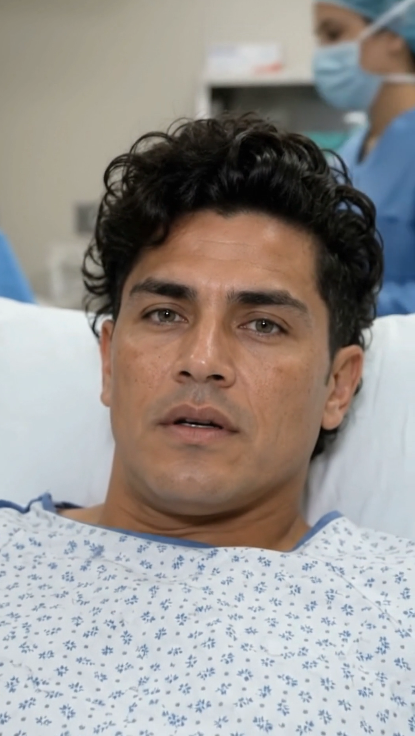
In 2018, a patient identified in the medical literature as Mr. LC agreed to something most people would find difficult to imagine: brain surgery during which he would need to be awake and responsive for part of the procedure.
At Pierre Wertheimer Neurological Hospital, Hospices Civils de Lyon, in France, his anesthesiologist used medical hypnosis to help him manage the placement of monitoring equipment, discomfort, and anxiety. Afterward, Mr. LC rated his comfort during the entire surgery 8 out of 10.
But he also gave the team an important warning: the hypnotic preparation had begun too late. He had met the anesthesiologist only the day before surgery.
Other patients expressed the same concern. The Lyon team responded by changing its process. Preoperative hypnosis preparation was expanded to a 60-minute consultation, and patients were asked to create a personalized mental “film script” of one to two pages, sent by email several days before surgery, then rehearsed before the procedure.
The most important lesson was not simply what happened in the operating room. It was what needed to happen before the night before.
Mr. LC’s case reminds us that calm is not always something a patient can switch on after arriving at the hospital. It can be practiced in advance.
When Tomorrow’s Surgery Enters Tonight’s Bedroom
The house is quiet. The bag is packed. The alarm is set.
But the mind is already at the hospital.
What if the anesthesia does not work? What if something goes wrong? What if the pain is unbearable? What if I do not wake up?
Each thought produces another internal picture. The pictures create more tension. The tension makes sleep harder. Then a new fear appears:
If I do not sleep tonight, will I be strong enough for surgery tomorrow?
This is anticipatory anxiety — the nervous system reacting now to an event that has not yet occurred. The body may be safely in bed while the imagination repeatedly enters the operating room.
Trying to force sleep often makes the struggle worse. The person begins to watch the clock, measuring every lost minute and treating wakefulness as another emergency.
Hypnosis approaches the problem differently. Instead of fighting each anxious thought, it helps redirect focused attention, reduce mental rehearsal of danger, and introduce a calmer expectation of what comes next.
Hypnosis Is Not the Same as Being Unconscious
Clinical hypnosis is a state of focused attention in which a person may become more responsive to helpful suggestions. You are not surrendering control. You can hear, think, speak, and reject any suggestion that does not fit your values.
For someone preparing for surgery, hypnosis may include:
Rehearsing the hospital experience in a calmer way.
Separating useful preparation from repetitive worry.
Creating cues for physical relaxation.
Imagining competent professionals completing familiar tasks.
Strengthening the expectation of coping one step at a time.
Preparing the mind to return to rest when it begins scanning for danger.
The goal is not to promise a perfect procedure. The goal is to help the patient stop experiencing the procedure hundreds of frightening times before it happens once.
What Does the Research Suggest?
In a randomized study of 76 adults undergoing surgery, the patients who received hypnosis experienced a 56% decrease in anxiety by the time they entered the operating room. Anxiety increased in both the supportive-attention group and the standard-care group. (Saadat et al., 2006)
A 2025 systematic review and meta-analysis examined 142 perioperative hypnosis studies involving 9,238 patients. The authors found that hypnosis used before a procedure may reduce postoperative anxiety and pain, while also emphasizing that evidence remains limited or uncertain for many other outcomes. (Lahoud et al., 2025)
Research on hypnosis specifically for sleep is promising but not conclusive. A systematic review of 24 studies found that more than half reported benefits for at least one sleep outcome, but the authors noted small samples and uneven study quality. (Chamine et al., 2018)
In practical terms, hypnosis should not be presented as a guarantee that every patient will sleep through the night or experience an easier recovery. Its most realistic value is helping selected patients feel calmer, interrupt catastrophic mental rehearsal, and enter surgery with a greater sense of participation and control.
An Instruction for the Night Before Surgery
After following every instruction from your surgeon and anesthesia team, lie down, close your eyes, and slowly rehearse a five-scene mental movie:
Arriving safely at the hospital.
Being welcomed by the care team.
Breathing steadily while preparations occur.
Hearing that the procedure is complete.
Resting comfortably afterward.
Then repeat silently: “My job tonight is to rest; my medical team’s job tomorrow is to care for me.”
A script written for you works better than a generic one. That is the lesson of the Lyon protocol: the patients wrote their own one-to-two-page film script days ahead, using their own images, their own words, and their own reasons for staying calm. If you can, prepare your five scenes in advance with your clinician rather than inventing them at 11 p.m.
This is not a test. You do not have to force an image, eliminate every thought, or make sleep happen. Let the rehearsal give your mind a new destination. Rest can still be useful even when sleep does not come immediately.
Do not take sleep medication, supplements, alcohol, or any other substance before surgery unless your medical team has specifically approved it. If anxiety is severe, you cannot sleep, or you are uncertain about your instructions, contact your surgeon or anesthesia team.
Who May Benefit From Preoperative Hypnosis?
Preoperative hypnosis may be worth considering if you experience:
Persistent worry about anesthesia or not waking up.
Difficulty sleeping as the procedure approaches.
Fear of needles, IV placement, hospitals, or medical equipment.
Panic triggered by a previous medical experience.
Repetitive images of complications or pain.
A strong need for control that makes medical uncertainty difficult.
Physical tension that remains even after your questions have been answered.
The best preparation is individualized. One person may need help with sleep. Another may need to change the mental picture associated with anesthesia. Someone with previous medical trauma may need a slower, trauma-informed approach.
You Can Prepare More Than Your Body for Surgery
Your surgeon prepares the procedure. Your anesthesia professional prepares a plan to keep you safe and comfortable. You can also prepare your mind.
If an upcoming operation is already stealing your sleep, do not wait until the night before to address it.
Medvesta Hypnosis Healthcare offers individualized screenings and assessments for people experiencing surgical anxiety, fear of anesthesia, insomnia before a procedure, needle fear, pain concerns, or distress connected to a previous medical experience.
Schedule a hypnosis screening or assessment with Medvesta Hypnosis Healthcare or call 630-974-1800.
Together, we can determine whether hypnosis may be an appropriate complement to your medical care and create a personalized plan to help you approach surgery with greater calm, confidence, and control.
Hypnosis is a complementary approach. It does not replace anesthesia, medication, medical diagnosis, emergency treatment, or instructions from your surgeon or anesthesia team. Individual responses vary.