
When Fear Turns Up the Pain: How Hypnosis May Help
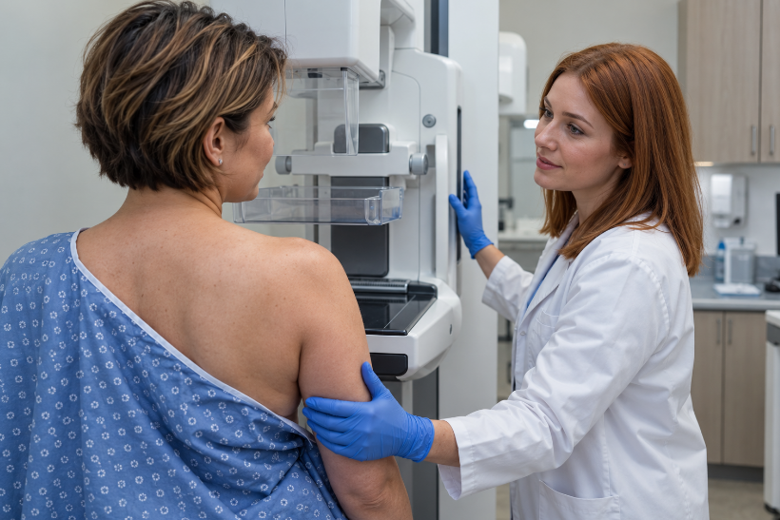
Before the surgeon made an incision, researchers tried something you might not expect: 15 minutes of hypnosis.
In a little-known 2007 clinical trial at Mount Sinai, 200 women preparing for a breast biopsy or lumpectomy received either a brief hypnosis session or a session of supportive listening.
At discharge, the hypnosis group reported less pain, nausea, fatigue, and emotional upset. They still received medical care and anesthesia. Participants knew which session they received, a limitation worth recognizing—but the findings offered encouraging evidence for hypnosis alongside surgical care.
That raises a question: How much distress do we experience before an event even begins?
Perhaps your appointment is next week, but your worry started yesterday.
What if it hurts? What if the medication makes me sick? What if this happens again?
Those questions deserve compassion. They also point toward an often-overlooked connection between expectations and symptoms.
When expecting the worst adds to the discomfort
The nocebo response occurs when negative expectations contribute to symptoms or make them worse beyond the direct effects of a treatment. Past experiences, frightening information, and distressing healthcare interactions can help shape those expectations.
This does not mean your symptoms are imaginary or that you caused your illness. It means expectations can influence your experience of physical discomfort.
Think of fear as a volume dial. A medical condition may create the signal; anticipating danger may turn up its intensity.
Where hypnosis may help
In his recent Psychology Today article, physician Ran D. Anbar proposes that hypnosis could help reduce nocebo responses by influencing expectations, emotional reactions, stress responses, and pain processing. He presents this as a promising hypothesis that needs direct testing. Hypnosis has not yet been established as a reliable treatment for nocebo responses.
The breast-surgery trial gives us a practical example of what hypnosis can offer in a specific medical setting: support for comfort and emotional coping alongside treatment. It does not guarantee the same result for every person or condition.
How Medvesta Hypnosis Healthcare can help
At Medvesta Hypnosis Healthcare, we help clients explore the automatic stress patterns that can make an upcoming appointment—or an uncomfortable sensation—feel more threatening.
Your experience matters. A personalized screening provides an opportunity to discuss what you are facing, what you hope to change, and whether hypnosis fits your needs alongside your existing care.
Depending on your goals, sessions may focus on helping you:
- Calm anticipatory worry before appointments, procedures, or other stressful situations.
- Build more balanced expectations, replacing automatic worst-case predictions with realistic, supportive language.
- Practice relaxation and guided imagery to develop a greater sense of comfort and control.
- Learn self-hypnosis skills you can practice between sessions.
For example, “I know this will be unbearable” might become: “I can ask for support, follow my care plan, and use the calming skills I have practiced.”
The goal is to help you respond with greater confidence while staying attentive to your health. Continue discussing symptoms and treatment risks with your healthcare professional. Hypnosis should complement appropriate medical or mental health care.
Give yourself another way to prepare
Remember those women at Mount Sinai? Their preparation included caring for how they would experience the procedure.
At Medvesta Hypnosis Healthcare, that same principle guides our approach: your emotional preparation deserves attention, too.
Schedule a personalized screening or assessment with Medvesta Hypnosis Healthcare to discuss your concerns and explore how hypnosis may support you.
What could change if preparing for your next appointment included learning how to feel calmer?